Tree Trimming & Pruning in Johnson City, TN
Overgrown branches near a roofline, a canopy that's grown lopsided, or a tree that just hasn't been trimmed in years. good pruning is about more than appearance. Done right, it extends the life of the tree, reduces the risk of storm damage from weak or overextended limbs, and keeps growth away from your house, driveway, or power lines. Don's Tree Service handles trimming and pruning for residential and commercial properties across Johnson City.
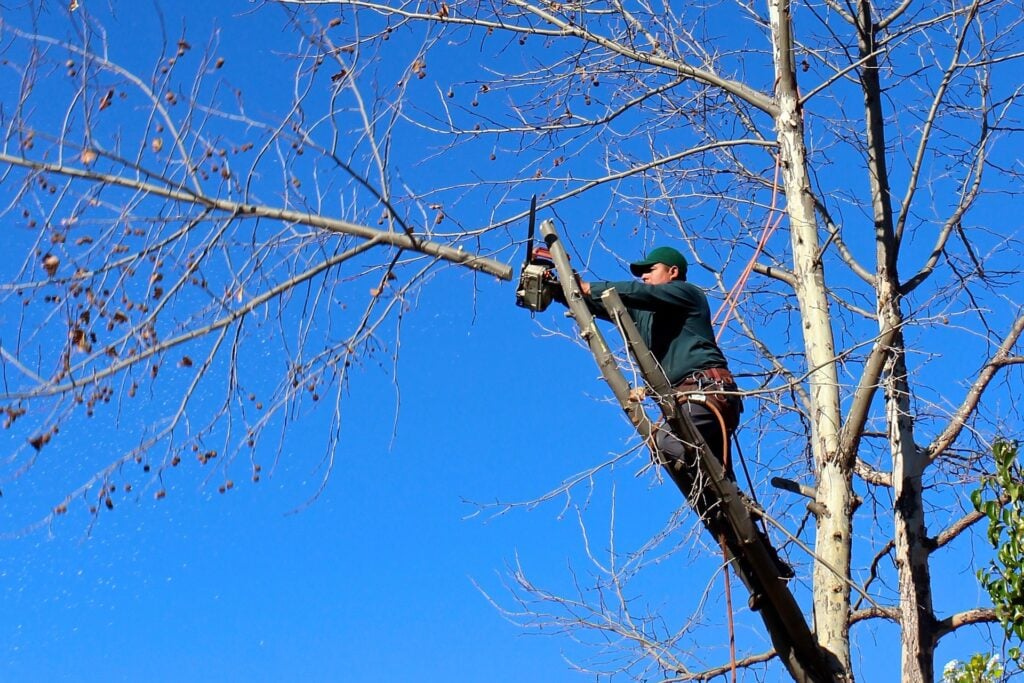
We assess the tree's species, health, and growth pattern before recommending which approach fits.
Targeted Care
What Trimming and Pruning Involves
Not all pruning is the same job. Depending on what your tree needs, we use:
- Crown Thinning Selectively removing branches throughout the canopy to improve light penetration and air flow, without changing the tree's overall shape.
- Crown Reduction Reducing the height and spread of the canopy, typically to relieve weight on weak limbs or keep growth clear of a structure.
- Deadwooding Removing dead, dying, or diseased branches before they become a hazard.
- Crown Raising Removing lower limbs to clear space above a driveway, walkway, or roofline.
Species-Specific Approach
Pruning by Species
The trees we're most often asked to trim in this area each have their own pattern of growth and their own weak points:
Oaks
Maples
Poplars
Pines
Tree Health First
Why We Don't Top Trees
Topping, cutting a tree's main branches back to stubs to reduce height, is a shortcut some companies still offer because it's fast and looks dramatic. It's also one of the worst things you can do to a tree. Topping removes the leaf area a tree needs to feed itself, forces weak regrowth at the cut points that's more likely to fail in a future storm, and opens large wounds that invite decay and pests. If a tree has genuinely outgrown its space, crown reduction done correctly, removing select limbs back to a lateral branch, achieves a similar visual result without the long-term damage. We don't top trees, and if a company offers to for a lower price than a proper reduction, that's worth asking why.
Step-by-Step
Our Process
Free Assessment
Plan
Pruning
Cleanup
Transparent Pricing
What Affects Cost
Tree trimming is typically priced per tree or by the scope of work, based on:
Tree Height and Canopy Size
Number of Trees
Access
Condition
If you're having several trees on the property trimmed at once, mentioning that upfront usually gets you a better per-tree rate than scheduling them one at a time, since we're already on-site with equipment staged.
Maintenance Cycle
How Often Should Trees Be Trimmed?
Most established trees benefit from pruning every 2 to 5 years, depending on species and growth rate. Young trees often need more frequent, lighter pruning to establish good structure early, since the shape a tree grows into in its first decade affects how it holds up structurally for the rest of its life. If branches are actively touching your roof, hanging over a walkway, or growing into power lines, that's worth addressing sooner rather than waiting for a scheduled cycle.
Local Experts
Why Homeowners Choose Don's Tree Service
Proper Technique
Licensed and Insured
Full Cleanup
No Topping
Local Service Area
Learn More