Tree Removal in Johnson City, TN
A tree doesn't have to be diseased or dying to become a problem. Leaning trunks, roots lifting a driveway, branches hanging over a roofline. once a tree turns into a risk instead of an asset, it needs to come down safely, not eventually. Don's Tree Service has handled tree removal across Johnson City and the Tri-Cities for over 60 years, with a 75-foot bucket truck on hand for the tall hardwoods common to this part of Tennessee.
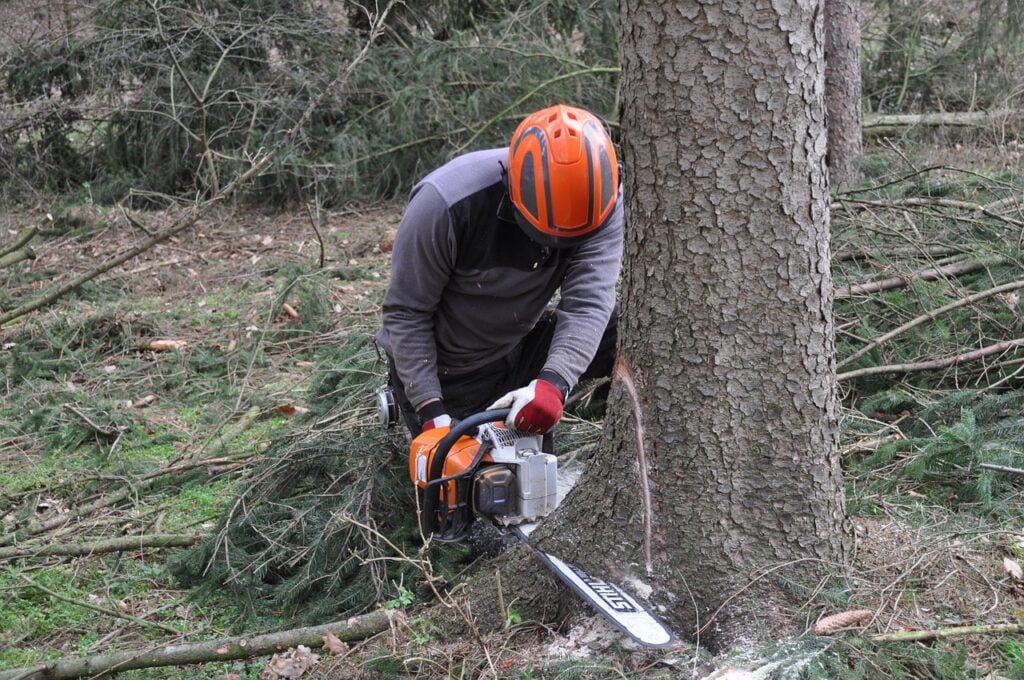
Every removal includes cleanup of the felled wood and brush. Stump grinding is available as an add-on if you want the stump gone too, not just the tree.
Every removal starts with a site assessment that determines the safest felling method for the tree's lean, canopy weight, and surroundings. For open-yard trees with a clear drop zone, our crew uses directional felling — cutting a precise notch and back cut so the tree falls exactly where planned. When a tree stands close to a house, fence, or power line, we switch to sectional removal: working from the bucket truck to bring the canopy and trunk down in controlled pieces, rigging each section rather than letting it fall free. For oaks and poplars over 80 feet with limited access, we combine crown reduction pruning with staged sectional drops to manage weight and swing radius before the final trunk sections come down.
Safe & Strategic
What Tree Removal Involves
Removal isn't just cutting down a trunk. It's assessing lean, decay, root condition, and what's around the tree before a single cut is made. Depending on the tree and the site, that might mean:
- Directional Felling Used for trees with open space to drop into.
- Sectional Removal Cutting the tree down in pieces, top to bottom, when a structure, fence, power line, or neighboring property is too close for a straight fell.
- Crane-Assisted or Bucket Truck Removal Ideal for hazardous leans or trees too large to climb safely.
Local Species
Common Trees We Remove in This Area
Johnson City and the surrounding Tri-Cities sit in a hardwood-heavy part of Tennessee, and the species we're called out for most often shape how a removal gets planned:
Oaks
Maples
Poplars
Pines
We'll identify what we're dealing with during the estimate and explain why it affects the approach and the price.
Johnson City's tree canopy runs heavy on white oak, red oak, and chestnut oak, along with silver maple, red maple, tulip poplar, and Eastern white pine. Mature oaks and maples in older neighborhoods like Tipton-Haynes and the streets around ETSU are especially prone to included bark and co-dominant stems that split under ice or wind load. We also watch for signs of emerald ash borer and oak wilt, two of the most damaging pest and disease threats moving through East Tennessee's hardwood canopy.
Step-by-Step
Our Process
Free On-Site Estimate
Site Prep
Removal
Cleanup
Final Walkthrough
Our crew works from a 75-foot bucket truck for elevated cuts and canopy access, backed by a commercial-grade self-propelled stump grinder and a dedicated brush and log truck for same-day debris haul-off. Rigging setups use bull rope, port-a-wrap friction devices, and lowering blocks to bring heavy sections down gently instead of dropping them — protecting fencing, siding, and landscaping directly beneath the work zone.
Transparent Pricing
What Affects Cost
Tree removal in the Johnson City area typically runs in the range of a few hundred to a couple thousand dollars, depending on:
Tree Size
Species
Access
Proximity to Structures or Power Lines
Stump Grinding
We give you a firm price after the on-site look, not a guess over the phone. If two trees on your property need to come down, ask about bundling them into one visit. It's almost always more efficient than scheduling separate trips.
Efficient Service
Timeline
A standard removal for a mid-size hardwood typically takes a few hours from setup to final cleanup. Larger trees, hazardous leans, or jobs requiring a crane take longer. Multi-tree jobs or lots with difficult access can run a full day or more. We'll give you a realistic window during your estimate, and if weather or ground conditions push the schedule, we'll tell you before it becomes a surprise.
Johnson City sits in a transition zone between Appalachian ridge-and-valley terrain and the broader Tri-Cities basin. Ice storms moving down from the ridgelines coat exposed limbs faster than they do in the valley floor, straight-line wind events funnel through the gaps around Buffalo Mountain, and the clay-heavy soil common in older neighborhoods holds water long enough after a storm to loosen root systems that would otherwise hold firm.
Making the Call
Removal vs. Trimming: How to Tell Which You Need
Not every tree that looks like trouble needs to come down. If a tree has one or two problem limbs but an otherwise sound trunk and healthy canopy, trimming or deadwooding may solve the issue without removing the whole tree. Removal is the right call when the trunk itself is compromised: active lean, visible decay at the base, cracking that runs vertically along the trunk, or a root system that's been cut or exposed by construction, grading, or erosion. If you're not sure which category your tree falls into, our tree health assessment will give you a straight answer before you commit to either option.
Local Experts
Why Homeowners Choose Don's Tree Service
75-ft Bucket Truck
Licensed and Insured
Real Jobs, Real Reviews
Local Service Area
Learn More